
The format that took over
YouTube is the largest podcast platform globally. Spotify's video podcast offering passed 350 million users in 2025. Even Apple now prioritises video. The shift means a podcast in 2026 is a video-first asset that also produces audio — not the other way round.
Why this beats blogs for many UK B2B brands
One 45-minute video podcast produces: a long-form YouTube video, a Spotify and Apple podcast episode, 10–15 short-form clips for TikTok, Reels and Shorts, a written transcript that ranks on Google, and an email-newsletter hook. From two hours of work, you fill four weeks of content calendar across six channels.
Equipment that gets you started for under £500
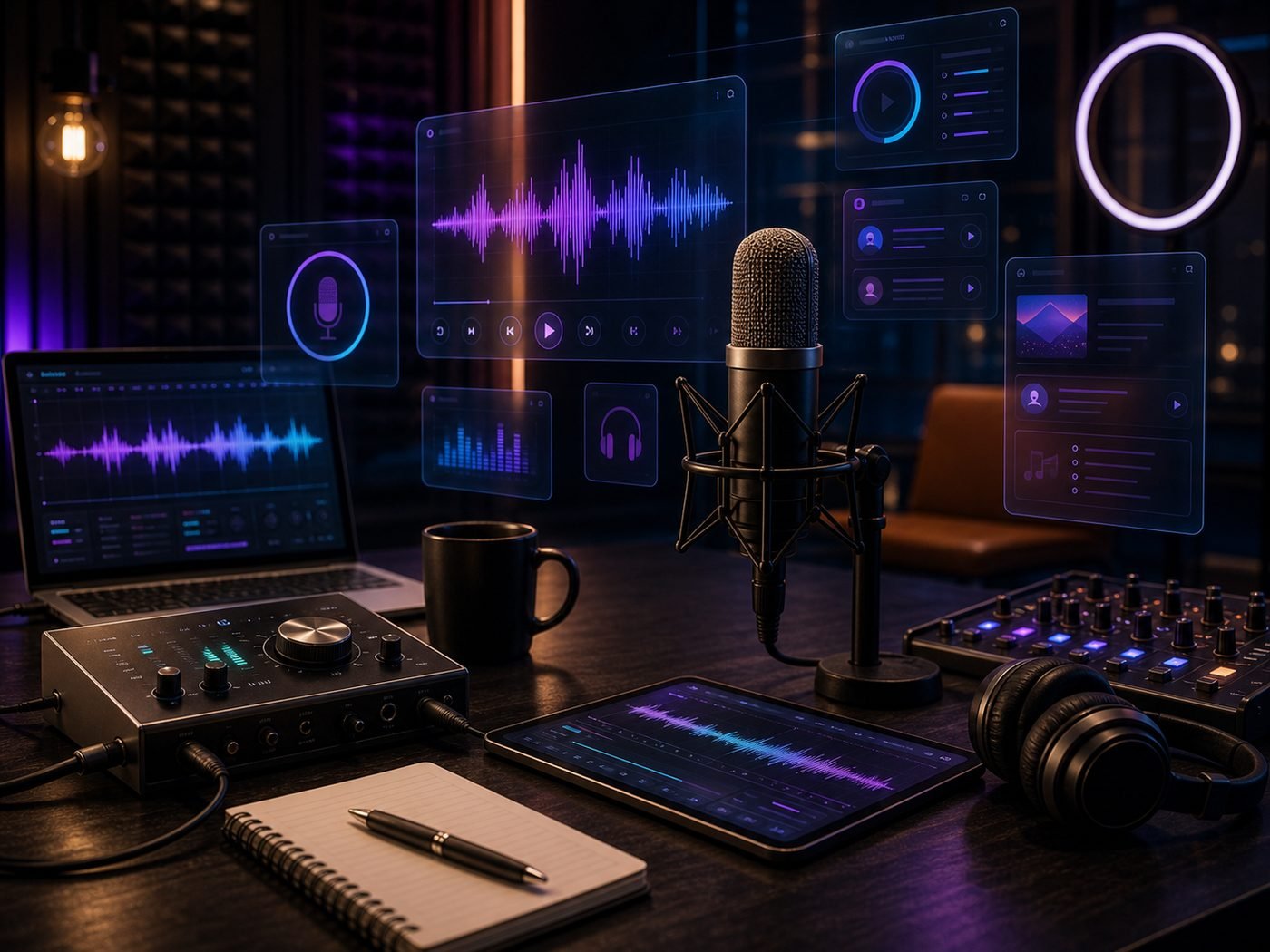
- Two Shure MV7+ USB mics: £550 the pair
- Two Logitech Brio 4K webcams: £160 each (or use phones)
- A free Riverside.fm or Squadcast account for the recording
- CapCut, DaVinci Resolve or Descript for editing
- A spare bedroom with one big window
The format that wins
Two hosts or one host plus a guest, 30–60 minutes, conversational not scripted, structured around 3–5 segments. The biggest UK B2B podcasts (My First Million, The Diary of a CEO, 20VC) all share this skeleton. Originality is in the guest selection and the questions asked, not the format.
How to grow without an audience
Invite guests with bigger audiences than you. Their share to their followers is your launch channel. The first 20 episodes are essentially a guest-acquisition exercise. Pay attention to: clip-ability of soundbites, SEO-friendly episode titles, well-timed releases. Volume matters more than perfection in year one.
Monetising sensibly
For most UK B2B founders, the podcast itself is the lead magnet. Conversations with prospects who heard you on the show convert at 2–4× cold leads. Sponsorship and ad revenue come later, if ever. The podcast is the moat, not the product.
Key Takeaway
A video podcast is the highest-leverage content format of 2026 for UK B2B and founder-led brands. Two hours of recording feeds six channels for a month. Start now, polish later.
Need help putting this into practice?
Talk to our Birmingham team — free consultation, no obligation, fixed quotes.